Biggest Soundcore Life P3 Truly Wireless Buying Mistakes (And How to Avoid Them)
The Soundcore Life P3 has been a popular choice for shoppers seeking feature-packed true wireless earbuds at a mid-range price. Packed with active noise cancellation, multiple listening modes, and a companion app with EQ presets, the Life P3 looks like an attractive all-rounder. Yet many buyers make predictable mistakes when purchasing or using these earbuds, which can lead to disappointment even if the hardware itself performs well. This article examines the most common missteps, explains why they matter, and gives practical strategies to avoid them so buyers get the results they expect.
Quick Verdict
For users who want flexible sound customization and a lot of features for the money, the Soundcore Life P3 is a strong contender. However, buyers who expect flagship-level noise cancellation, flawless call quality in every environment, or a one-size-fits-all fit may encounter frustration. Understanding typical trade-offs—fit, ANC limits, firmware/setting dependencies, and realistic battery expectations—prevents regret and helps match the product to real-world needs.
Detailed Product Analysis
Design and Fit
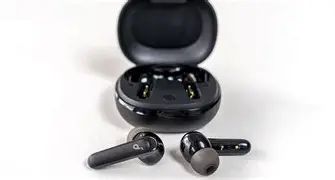
The Life P3 follows the in-ear true wireless design with a compact charging case. Fit plays an outsized role in perceived performance: soundstage, bass response, passive isolation, and call microphone quality all depend heavily on how well the ear tips seal. Buyers often assume that 'standard' tips will be fine; in reality different ears need different sizes and sometimes foam tips for a better seal.
Sound Signature and Customization
Out of the box, these earbuds typically present a consumer-friendly sound signature: boosted bass with clear mids and treble tuned for podcasts and popular music. The companion app offers EQ presets and a graphic EQ that can significantly alter the character—useful for tailoring the sound to genres or compensating for a poor fit. However, relying solely on presets without experimenting can leave listeners thinking the product sounds worse than it could.
Active Noise Cancellation (ANC) and Ambient Modes
The Life P3 provides ANC and at least one ambient or transparency mode. Buyers commonly mistake ANC marketing for perfect noise elimination. Tiny, low-cost ANC systems reduce steady low-frequency noise (airplane hum, bus engines) more effectively than sudden mid- or high-frequency sounds (conversations, nearby brakes). Expect reduction, not silence, and use the ear-tip seal and app modes together to improve results.
Controls, App, and Firmware
Touch controls are convenient but sensitive; accidental pauses or skipped tracks are common if the user isn't familiar with the gestures. The Soundcore app enables gesture customization, EQ adjustments, and firmware updates. Many buyers skip the app, missing important fixes and optimizations. Firmware updates have been known to improve call performance, ANC behavior, and battery management—installing them is a small step with large returns.
Battery Life and Charging
Battery life depends on volume, ANC usage, and codec selection. Using ANC or higher volumes reduces playback time; the case supplies multiple top-ups but doesn't change the fundamental trade-offs. Buyers who expect flagship multi-day playback without recharging will be disappointed. It's also essential to confirm whether the charging case supports wireless charging—assumptions can lead to hassles at home or on the road.
Call Quality and Microphones
Call performance on most mid-range earbuds can be adequate in quiet conditions but degrades in wind, heavy traffic, or crowded outdoor settings. Microphone placement and processing aim for intelligibility rather than studio-quality capture. Users who need excellent, reliable call quality for remote work or freelancing should test calls in their typical environment before relying on these earbuds full time.
Latency and Gaming
Listening latency matters for gaming and video. Many true wireless earbuds offer a 'gaming' or 'low-latency' mode that reduces delay at the expense of some processing that may affect sound. Buyers who plan to use the Life P3 for mobile gaming should verify the latency in practice with the devices and games they use, and use the low-latency mode if present.
Biggest Buying Mistakes — and How to Avoid Them
Mistake 1: Assuming ANC Equals Noise Cancellation Like Over-Ear Headphones
Why it matters: In-ear ANC systems are limited by fit and microphone feedback. Buyers who expect the same isolation as large over-ear ANC headphones often feel let down.
How to avoid: Test ANC performance in the environments where it will be used (commute, office, home). Use the best-fitting ear tips, enable ANC in the app, and combine ANC with soft ear-tip seals to maximize effectiveness. If airport-style noise cancellation is critical, consider over-ear ANC solutions instead.
Shop the latest Audio & Headphones picks on Amazon.
See Deals →Mistake 2: Skipping the App and Firmware Updates
Why it matters: The app provides EQ, custom controls, and firmware that can fix bugs or improve audio and call performance. Without the app, buyers miss optimization opportunities.
How to avoid: Download the official companion app before using the earbuds extensively. Register the product if prompted and check for firmware updates. Spend 10–15 minutes exploring EQ presets and control options to tailor the experience.
Mistake 3: Ignoring Fit and Ear-Tip Selection
Why it matters: A poor seal affects bass, ANC, and call clarity. Many returns stem from comfort or sound issues that are actually fit-related.
How to avoid: Try all included ear-tip sizes and consider aftermarket foam tips if comfort or seal is an issue. When possible, test for a secure seal—push the bud gently into the ear canal and listen for improved bass and quieter background noise.
Mistake 4: Expecting Top-Tier Call Performance Outdoors
Why it matters: Microphones on compact earbuds are constrained. Wind and background noise will still affect speech clarity.
How to avoid: For work calls, use the earbuds in quiet environments or have a secondary wired headset for critical meetings. When outdoors, use a phone’s speaker or a headset with dedicated wind-blocking features for better consistency.
Mistake 5: Misreading Battery Specs as Real-World Playtime
Why it matters: Manufacturers often post maximum figures measured in ideal conditions. Real use with ANC, higher volumes, and codec variations reduces runtime.
How to avoid: Assume conservative battery life and carry the charging case. If long-haul flights or lengthy workdays are common, confirm how many top-ups the case provides and plan charging opportunities.
Mistake 6: Not Testing Controls and Gestures
Why it matters: Touch gestures can be over-sensitive or conflict with personal habits (e.g., adjusting the earbuds when wearing a coat). Unintended inputs cause frustration.
How to avoid: Configure controls in the app if customization is available. Practice gestures in a quiet place until muscle memory reduces accidental presses.
Discover deals on Audio & Headphones — updated daily.
See Deals →Mistake 7: Confusing IP Rating and Sweat Resistance
Why it matters: IP ratings vary—some protect against splashes, others against immersion. Misunderstanding this leads to damaged earbuds during workouts or in rain.
How to avoid: Check the official IP rating and interpret it correctly. For heavy sweat or swimming, choose products explicitly rated for those conditions. For gym use, dry the case and earbuds after workouts to protect connectors.
Mistake 8: Assuming One Earbud Works As Well Solo as in Stereo
Why it matters: Single-earbud mode can reduce microphone performance or change how ANC and microphones behave. Some features may be disabled in mono mode.
How to avoid: Test mono operation for voice calls and voice assistant use before relying on a single earbud for long calls or critical listening.
Pros & Cons
- Pros:
- Feature-rich package for the price—ANC, app EQ, multiple listening modes.
- Good customization via app for diverse music tastes.
- Compact case and generally comfortable design for many ear shapes.
- Suitable for commuters and casual travelers when expectations are aligned.
- Cons:
- ANC is effective for steady low-frequency noise but not perfect; it cannot match premium over-ear ANC.
- Call quality can vary in windy or noisy outdoor environments.
- Touch controls may be sensitive and require tuning via the app.
- Battery life in real-world use is reduced by ANC and volume; users should verify typical runtimes for their use case.
Comparison: How the Life P3 Stacks Up (Feature-Focused)
The comparison below focuses on categories buyers care about rather than exact spec numbers; it helps frame the Life P3 relative to general alternatives in the same mid-range segment.
| Category | Soundcore Life P3 | Typical Mid-Range Competitor | Flagship Over-Ear Reference |
|---|---|---|---|
| ANC Effectiveness | Good for low-frequency hums; helpful on buses and planes with a proper seal | Varies; many mid-range models similar in reduction but not in nuance | Superior; better suppression across frequencies and more natural transparency modes |
| Customization & App | Strong app support: EQ presets, controls, firmware | Some competitors lack deep EQ or frequent firmware updates | Comprehensive apps with advanced settings and professional tuning |
| Call Performance | Good in quiet conditions; variable outdoors | Similar trade-offs; some specialize in calls but often at a higher cost | Generally best-in-class with multi-mic processing and wind protection |
| Fit & Comfort | Comfortable for many; tip selection critical | Depends on earbud shape; may require alternative tips | Over-ear designs offer longer comfort for extended sessions |
| Value | High—many features for price | Competitors may offer similar value but with fewer features | Lower value-per-dollar but premium experience |
Buying Guide: Practical Steps and Checklist
To make an informed purchase and minimize buyer's remorse, follow this practical checklist:
- Try before committing: If possible, test earbuds in-store with music and make a phone call. Assess fit and basic ANC performance.
- Bring your noise scenarios: Recreate environments where the earbuds will be used (commute, gym, office) to evaluate ANC and microphone performance.
- Install the app: Download the companion app, check for firmware updates, and explore EQ presets and controls.
- Test multiple ear tips: Use the included sizes and consider foam tips if bass or seal is lacking.
- Check compatibility: Verify the phone/tablet supports required Bluetooth codecs if low-latency or higher-quality audio is important.
- Interpret battery claims conservatively: Ask how many hours buyers actually need and confirm whether the case provides enough top-ups for a full day of use.
- Confirm IP rating: For workouts or outdoor use, ensure the official rating meets the intended activities.
- Plan for firmware updates: Schedule time to update right after purchase—this often improves reliability and feature set.
- Understand return policies: Keep receipts and be aware of the seller’s return window in case fit or call performance fails real-world tests.
Use Case Recommendations
These earbuds suit several common buyer profiles, provided expectations are aligned:
- Commuters: Good pick if the primary goal is reducing engine hum and enjoying podcasts or playlists on trains and buses—use ANC plus best-fit tips.
- Travelers: Useful for flights for low-frequency noise reduction, though not a substitute for high-end over-ear ANC on long-haul flights.
- Casual gym-goers: Fine for light to moderate workouts—confirm sweat resistance and dry components after use.
- Remote workers: Fine for meetings in quiet rooms; consider a backup dedicated headset for critical calls or noisy environments.
- Gamers: Acceptable for casual mobile gaming; seek low-latency mode and test with preferred devices for tolerable lip-sync delay.
Conclusion
The Soundcore Life P3 delivers a compelling blend of features and flexibility for buyers who take a moment to match the product to their needs and habits. The most common regrets are avoidable: they come from inflated expectations about ANC, neglected ear-tip selection, skipping the app and firmware updates, and misinterpreting battery and IP specs. With deliberate pre-purchase testing, routine app-driven optimization, and realistic expectations about trade-offs, buyers can extract excellent value from the Life P3 and enjoy a reliable, customizable listening experience across commuting, travel, and everyday life.