The Truth About the Keychron Q6 He 8K: Pros, Cons, and Verdict
Category: Laptops
Introduction
The Keychron Q6 He 8K is presented as a premium mechanical keyboard aimed at enthusiasts who prioritize build quality, typing feel, and customization. For buyers weighing desktop peripherals with laptop workflows in mind—developers who alternate between laptops and desktops, content creators who require precision, and gamers who want a satisfying key feel—the keyboard promises a high-end experience. This article examines the Q6 He 8K in detail, focusing on real-world use cases, the everyday trade-offs buyers care about, and practical recommendations for different buyers.
Detailed Review and Analysis
Design & Build Quality
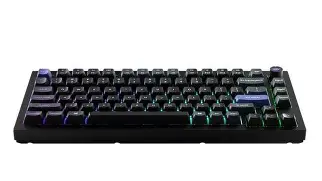
At first glance, the Q6 He 8K projects the visual language of a premium board: weighty materials, clean lines, and an understated finish. For users who value desk presence and durability, a heavier keyboard made from aluminum or high-density materials provides a psychological and tactile sense of permanence—especially when paired with a solid-mounted or gasket-mounted plate that resists flex.
Keychron's Q-series tends to focus on a blend of modern minimalism and functional robustness. The important design aspects buyers notice in daily use are keycap profile and texture, bezel thickness, case height, and edge finishing. These elements combine to affect wrist position, travel comfort, and overall typing posture—factors that matter most to writers and coders who spend hours at the keyboard.
Switches and Typing Experience
One of the defining factors for mechanical keyboards is the switch selection. The Q6 He 8K usually ships in multiple switch configurations, giving buyers a choice between tactile, linear, and clicky options. Typing experience depends on switch type, stabilizer tuning, and plate material:
- Linear switches tend to suit gamers who prefer smooth actuation for rapid keypresses.
- Tactile switches provide a bump that many programmers and typists use to reduce bottoming out and increase accuracy.
- Clicky switches offer audible feedback favored by some typists but can be disruptive in shared spaces.
Sound profile also matters: buyers often mod keyboards with foam, switch films, or different keycaps to tune acoustics. The Q-series typically responds well to such mods because of accessible internals and straightforward disassembly.
Firmware, Customization, and Software
Advanced buyers expect programmable layers, macro support, and compatibility with open firmware frameworks. The Q6 He 8K aims to meet those expectations by providing support for remapping and layered keymaps, often via widely used tools in the enthusiast community. For users who want to fine-tune lighting, macros, or per-key remaps, the presence of a stable firmware and clear documentation is a major plus.
Cross-platform compatibility—in particular, smooth switching between macOS and Windows input conventions—is a practical consideration for laptop users who often pair their laptops with external keyboards. Clear or programmable key legends and easy toggling of OS modes reduce friction when moving between machines.
Connectivity and Portability
Buyers who pair laptops with external keyboards evaluate how portable a premium keyboard can be. The Q6 He 8K is more of a desk-first keyboard: it tends to be heavier and less travel-friendly than ultra-lightboard alternatives. The trade-off is stability and a premium typing feel on the desk.
Connectivity options matter: a wired USB-C connection is essential for lowest-latency input, while Bluetooth or multi-host wireless support is a convenience for switching between a laptop and another device. Battery life and reliable reconnection behavior are the recurring practical concerns for those who rely on wireless modes frequently.
Ergonomics and Layout Options
Ergonomics is not just about tenting or split designs; it also includes key spacing, row stagger, and whether the keyboard includes a function row or numpad. The Q6 He 8K sits in the sweet spot for users who want a compact layout without losing essential keys. Buyers must evaluate whether the layout matches their typing and workflow habits—programmers often need dedicated arrow clusters and function keys, while gamers may prioritize a compact footprint for mouse space.
Shop the latest Laptops & Computers picks on Amazon.
Browse Now →Acoustics and Feel
Keyboard acoustics are subjective but significant. The Q6 He 8K's weight and construction contribute to a low-frequency "thud" that many users interpret as satisfying. Sound dampening inside the case and quality stabilizers are key determinants of whether the keyboard sounds hollow or plush. For open-plan offices or shared households, the acoustic signature can be a deciding factor in whether the keyboard is a good fit.
Real-World Use Cases
Software Developers and Writers
Developers and writers benefit most from a consistent, precise typing experience. The Q6 He 8K’s presumed sturdiness and comfortable key feel make long coding sessions less fatiguing. Programmers who custom-map keys and chain macros will find programmable layers especially useful, and the keyboard’s weight prevents it from sliding during intense typing sessions.
Content Creators and Designers
Content creators who multitask across software suites value tactile feedback and reliable key action for shortcuts. A well-calibrated keyboard reduces slip-ups when triggering complex shortcuts in photo or video editing software. The keyboard’s solid build also makes it a sturdy companion during live streams or content production setups.
Gamers
Competitive gamers typically favor minimal input latency and consistent switch behavior. With a wired connection, the Q6 He 8K will satisfy many gamers who prefer a premium mechanical feel without compromising responsiveness. For casual gamers who also do a lot of typing, the keyboard strikes a balance between comfort and performance.
Pros & Cons
Pros
- Premium build quality: A heavier chassis and quality materials deliver a durable, satisfying desk presence.
- Customizable typing experience: Multiple switch options and mod-friendly internals allow users to personalize feel and sound.
- Programmability: Firmware that supports layers and remaps is valuable for power users who automate workflows.
- Stable typing surface: Weight and construction minimize movement during heavy typing sessions.
- Good for desk-bound workflows: Excellent for developers, writers, and creators who work primarily at a fixed setup.
Cons
- Portability: The heavier, desk-focused design reduces portability for users who frequently commute with a laptop.
- Price: Premium materials and features typically push the price higher than entry-level mechanical keyboards.
- Potential learning curve: Programmability and non-standard layouts may require setup time for casual users.
- Noise: Depending on switches and stabilizers, the keyboard may be loud for quiet office environments without acoustic mods.
- Wireless behavior: If several models support wireless differently, buyers should verify Bluetooth stability and battery life before committing.
Comparison Table
| Feature | Keychron Q6 He 8K | Typical Premium 75% Board | Compact Tenkeyless Enthusiast Board |
|---|---|---|---|
| Build | Heavy, premium materials; desk-focused | Aluminum top, sometimes plastic base | Aluminum or polycarbonate; lighter |
| Hot-swap | Usually supported — allows easy switch swaps | Often supported | Commonly supported |
| Firmware | Programmable, layered keymaps expected | Varies; many support open firmware | Often programmable |
| Wireless | Desk-first; wireless support varies—confirm model | Some models include multi-host Bluetooth | Most focus on wired for lower latency |
| Target user | Enthusiasts, programmers, creators | Enthusiasts who want premium finish | Gamers and typists wanting compact layout |
| Estimated price tier | Mid-to-high (premium materials and features) | Similar mid-to-high range | Wide range depending on brand and features |
Buying Guide: What to Consider Before You Buy
1. Determine Primary Use
Identify whether the keyboard will be used mainly for typing, gaming, or mixed use. Typists benefit from tactile switches and a forgiving mounting system. Gamers will prioritize low latency and consistent key feel. If the keyboard will sit next to a laptop and stay there, a heavier unit makes sense; if it needs to travel, look for lighter alternatives or a compact layout.
2. Layout and Key Coverage
Choose a layout that matches the workflow: 75% and tenkeyless layouts provide a balance between compactness and key availability. Evaluate whether dedicated function rows or arrow clusters are essential. Buyers who use numeric input frequently should consider whether a numpad is required or whether external numpads/virtual solutions are acceptable.
3. Switch Type and Replaceability
Select switch type based on tactile preference and noise tolerance. Hot-swap functionality is a major advantage for users who want to experiment with different switches without soldering. Check whether the keyboard supports common switch pin configurations (3-pin/5-pin) to ensure broad compatibility.
4. Sound and Stabilizers
Sound matters in shared environments. Look for keyboards with well-tuned stabilizers and consider pre-installed dampening material inside the case. If sound is a priority, plan for potential mods: switch films, foam, or different keycaps can meaningfully improve acoustics.
5. Firmware and Software
Programmability differentiates enthusiast keyboards from mainstream models. Confirm whether the keyboard supports open-source firmware options or official tools that let the user set macros, layers, and lighting. Good documentation and an active user community are signs of a supportive ecosystem.
6. Connectivity and Battery (if wireless)
If wireless is required, investigate the version of Bluetooth, the number of simultaneous host pairings, and battery life under typical workloads. For low-latency scenarios like competitive gaming, prioritize wired USB-C operation and the option to run wired when needed.
Discover deals on Laptops & Computers — updated daily.
Browse Now →7. Keycaps and Layout Compatibility
Check the keycap profile and compatibility with aftermarket sets. Enthusiasts often replace keycaps with PBT or other premium materials. Standardized bottom rows and key spacing make it easier to customize later.
8. Price vs. Long-Term Value
Premium keyboards are an investment. Consider long-term value: durability, availability of replacement parts, and resale potential. If a keyboard will be a daily work instrument for years, paying more upfront for higher-quality materials and a pleasant typing experience can be justified.
9. Warranty, Support, and Community
Good warranty terms and responsive support are helpful if a hardware issue arises. Additionally, an active user community can provide unofficial fixes, modification guides, and shared keymap configurations—valuable resources for buyers who want to optimize their setup.
Who Should Buy the Keychron Q6 He 8K?
The Q6 He 8K is most suitable for users who prioritize a premium typing experience on a stable desk setup. It appeals to:
- Developers and writers who spend multiple hours per day typing and value ergonomics and durability.
- Enthusiasts who enjoy tuning acoustics, swapping switches, and customizing layouts.
- Content creators who require a reliable input device for complex shortcuts and editing workflows.
It may be less suitable for users who need a lightweight, highly portable keyboard for frequent travel, or for those who require a very quiet, office-friendly solution without further modifications.
Conclusion
The Keychron Q6 He 8K represents the kind of premium, desk-focused mechanical keyboard that appeals to enthusiasts and professionals who treat a keyboard as an investment in comfort and productivity. Its strengths lie in build quality, customization potential, and a satisfying typing experience—attributes that matter in daily, high-volume use cases like coding, long-form writing, and creative work.
However, the trade-offs are clear: a heavier, less portable design and a price point that reflects premium materials. Buyers should weigh the benefits of long-term comfort and customizability against the practical needs of portability and noise sensitivity. For those who want a robust, moddable keyboard to pair with a laptop at a permanent workstation, the Q6 He 8K is a compelling choice. For commuters or users needing a lightweight travel companion, a different form factor would better suit the need.
Ultimately, the right keyboard is the one that fits a user's workflow, environment, and taste. The Q6 He 8K earns its place in the conversation for anyone prioritizing a satisfying mechanical typing experience at the desk, provided they accept the usual compromises of premium, heavy-duty keyboards.